
WordPress 7.0 + Studio: the start of AI-native WordPress
By Gianfranco Navas
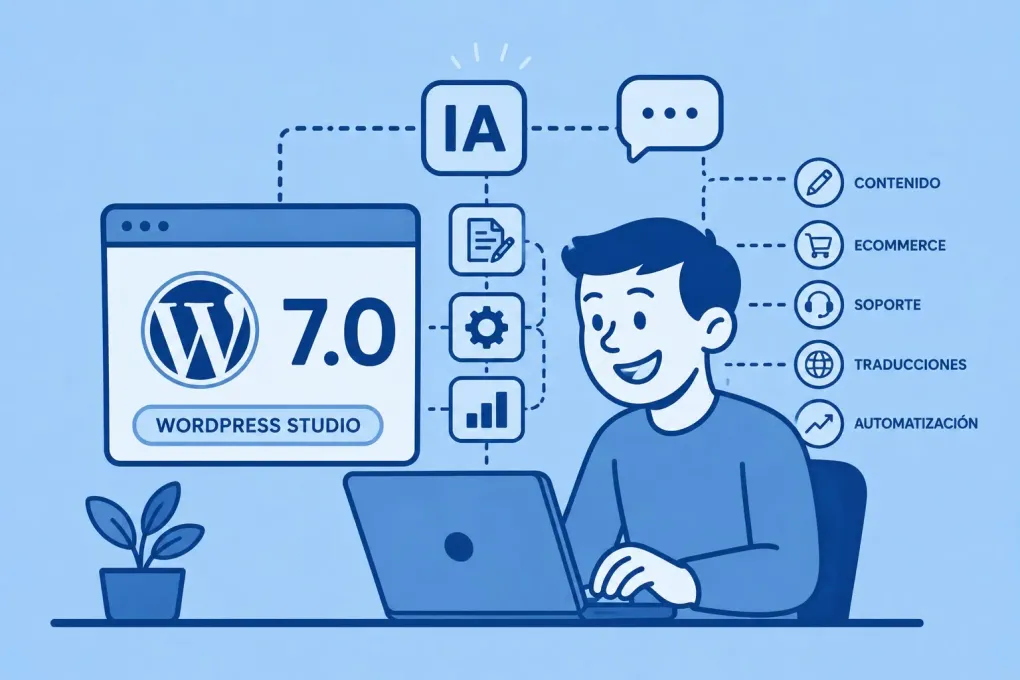
WordPress 7.0 and WordPress Studio point to a major shift in where the platform is headed. WordPress no longer seems focused only on publishing content. It is also building a more modern foundation for automation, AI-assisted tools, and faster workflows.
For years, WordPress was viewed mainly as a CMS. Today, it is starting to work more like a platform where content, ecommerce, automation, and intelligent tools can operate together in the same system.
That could be especially valuable for small studios and businesses. With simpler tools, faster local environments, and AI-assisted workflows, smaller teams can build and maintain digital products much more efficiently than they could a few years ago.
It is still early to know how far this will go, but WordPress 7.0 makes one thing clear: the platform is preparing for a new stage where AI becomes a natural part of daily work.
WordPress: much more than a CMS
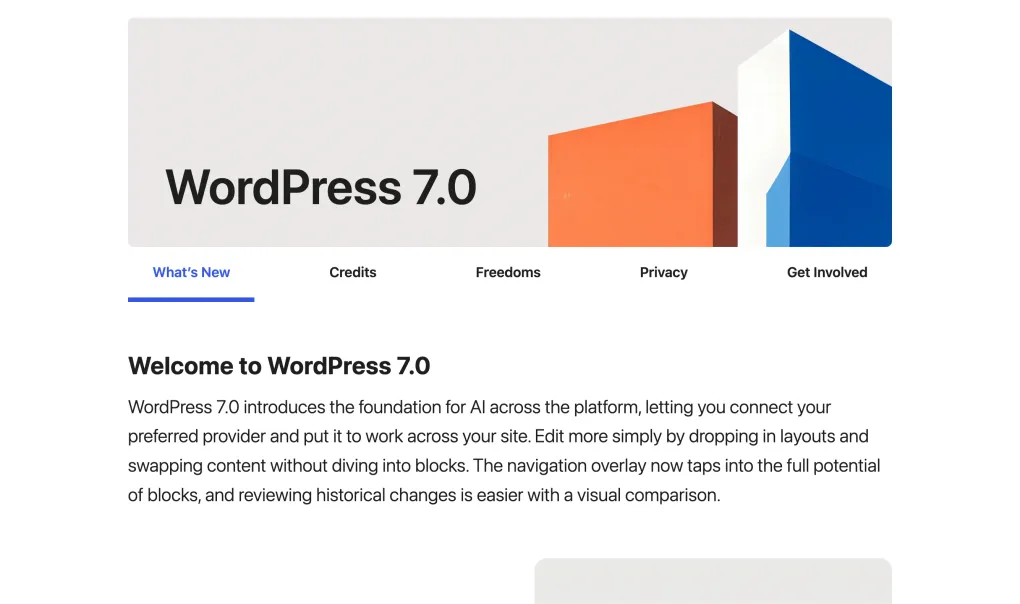
Although many people still associate WordPress only with blogs or company websites, the reality is that it has been used for years in ecommerce, learning platforms, membership systems, content automation, and even internal business tools.
What is changing now is how WordPress connects to new automation and AI tools.
With new initiatives such as WordPress Studio, AI Connectors, and projects like the Abilities API, the platform is getting ready for an ecosystem where intelligent tools can play a more active role in daily tasks like content generation, support, data organization, and process automation.
Instead of replacing WordPress, AI seems to be pushing it into a new phase where it works more like an operational platform connected to multiple tools and workflows.
WordPress Studio and the new workflow
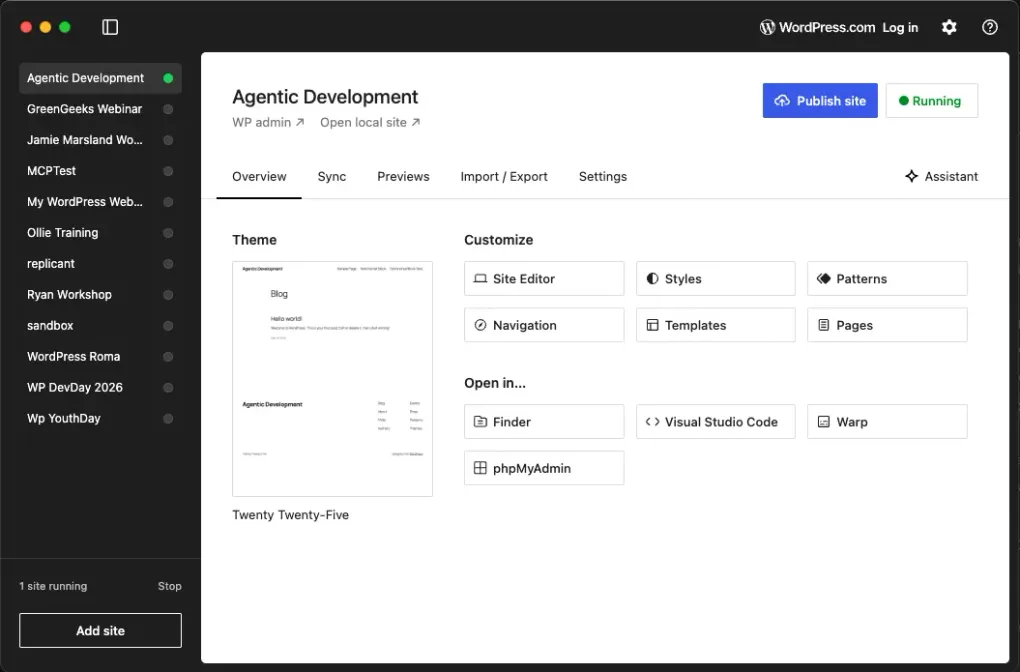
Even though WordPress Studio did not launch alongside WordPress 7.0, recent platform updates and the growth of AI-oriented tools make it feel much more aligned with WordPress’s current direction.
Studio is an official tool focused on simplifying local WordPress development. It allows teams to spin up sites quickly, manage local environments, and work more consistently without relying on manual setup or complex workflows.
Studio also includes features designed for modern workflows, such as tighter WordPress.com sync, simpler local site management, and a more accessible experience for testing ideas, automations, and AI-connected tools.
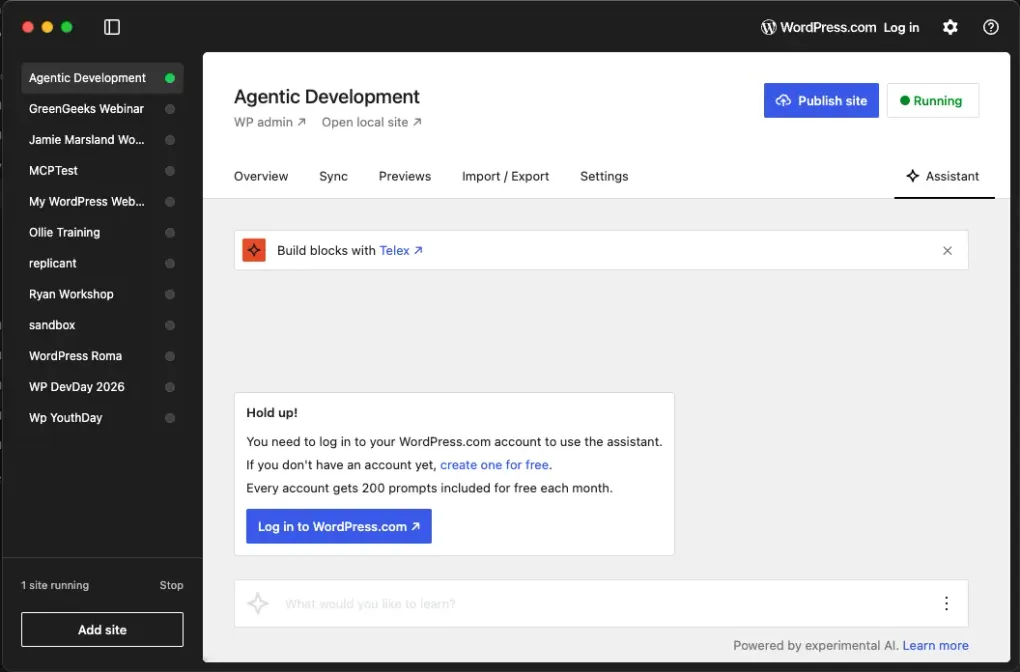
For small studios and agile teams, this can mean less time solving infrastructure and more time focused on product, content, and automation.
AI inside WordPress has already started
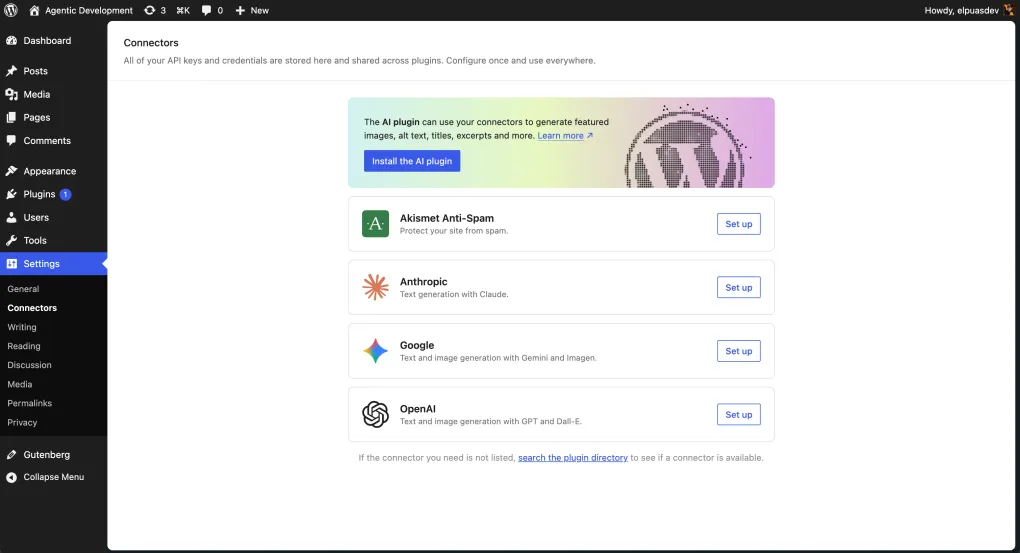
For a long time, integrating AI into WordPress depended almost entirely on external services, isolated plugins, or automations disconnected from the site’s main workflow.
That is starting to change.
With new ecosystem initiatives like AI Connectors, the growth of AI-assisted tools, and projects such as the Abilities API, WordPress is building a clearer infrastructure for bringing AI directly into day-to-day business operations.
And this is not limited to text generation.
Today, AI can already support workflows related to:
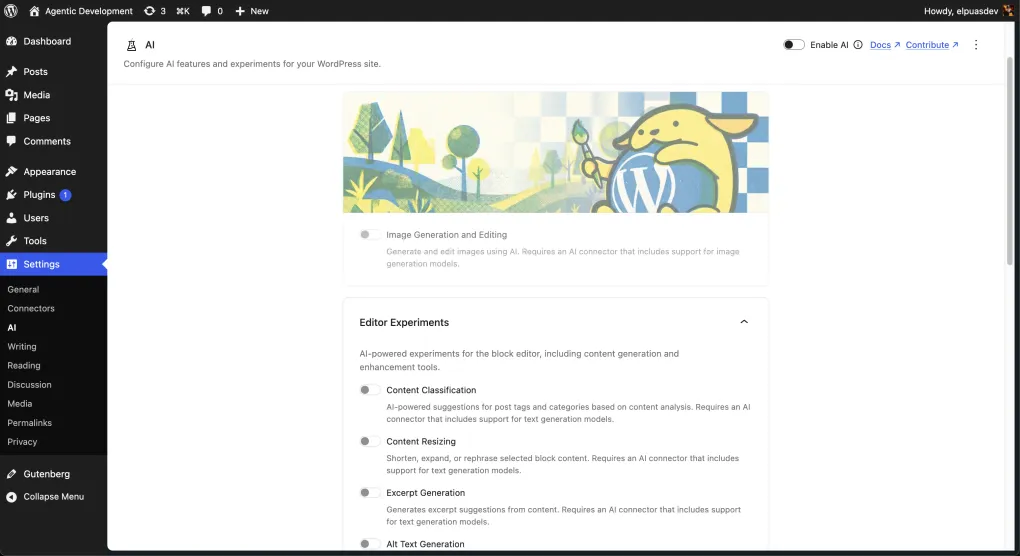
- Content creation and organization
- Support automation
- SEO optimization
- eCommerce product generation
- Translations
For small studios and companies, this can be a major advantage. Smaller teams can automate processes that previously required more time, larger teams, or separate tools.
From a development perspective, this is also changing how WordPress projects are built. The platform is no longer only a place to publish content, but a base where APIs, automations, agents, and intelligent tools can work together inside the same system.
What this means for small studios and businesses
All of this is still evolving, but the direction is becoming clear. WordPress is no longer adapting only to new ways of publishing content. It is also adapting to a web where automation, AI, and faster workflows will be a normal part of daily operations.
And that can especially benefit small studios and businesses.
With more modern tools, automation, and better-connected platforms, smaller teams can build, maintain, and scale digital projects far more efficiently than a few years ago, without massive structures or overly complex processes.
A few years ago, many of these tasks required separate tools, manual processes, or larger teams. Today, they are starting to come together inside the same ecosystem.
At ElPuas Digital Crafts, we closely follow this shift because we believe the future of WordPress is not only about building websites, but about building smarter, more maintainable platforms ready to work alongside AI-powered tools.
Is your business ready for WordPress’s next stage?
At ElPuas Digital Crafts, we help companies and teams build modern, maintainable WordPress platforms prepared for automation and AI.